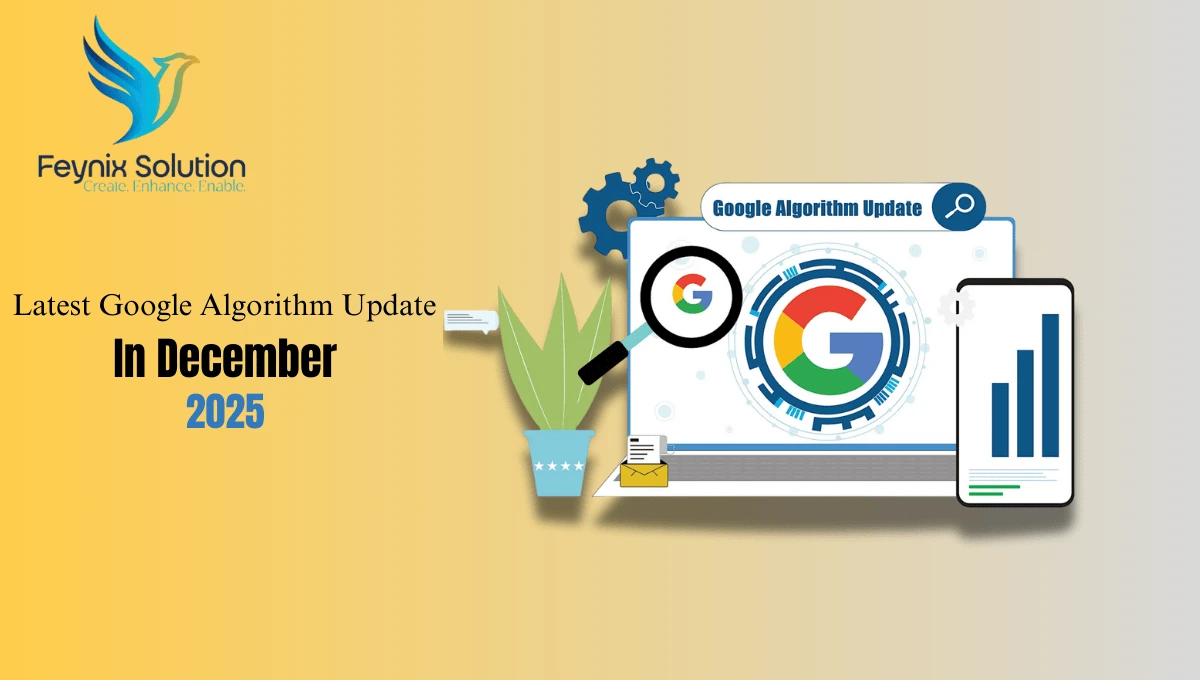
Google continuously updates its search algorithm to ensure users receive the most relevant, trustworthy, and valuable results. The Latest Google Algorithm Update in December 2025 introduces significant changes that directly impact website rankings, SEO strategies, and digital marketing practices.
If you are a website owner, content creator, or digital marketer, understanding this update is crucial. In this guide, we will cover:
- Key features and changes in the December 2025 update
- How it affects SEO and website rankings
- Actionable strategies to adapt your SEO
- Common mistakes to avoid
- FAQs to clarify common concerns
By following this guide, you can optimize your website effectively and maintain or improve your rankings despite the new changes.
Overview of the Latest Google Algorithm Update
The December 2025 update focuses on enhancing user experience, content authenticity, and relevance. Some key highlights include:
- Enhanced AI Content Detection – Google is now better at identifying low-value AI-generated content. Websites relying on purely automated content without unique insights may see ranking drops.
- Content Relevance & User Intent – Pages that do not satisfy searcher intent may be demoted in search results.
- EEAT Signals (Expertise, Experience, Authority, Trustworthiness) – Google increasingly favors content created by verified experts or authoritative websites.
- Page Experience & Technical SEO – Mobile-friendliness, page speed, HTTPS security, and structured data continue to play a critical role in rankings.
Overall, the update encourages websites to focus on high-quality, authoritative, and user-centric content. Thin, outdated, or low-value pages are more likely to experience ranking losses.
Why This Update Matters for SEO
SEO is no longer just about keywords. With the Latest Google Algorithm Update, the focus has shifted toward:
- Content Depth and Relevance – Shallow or generic content may be penalized.
- User Engagement Signals – Metrics like bounce rate, dwell time, and click-through rate (CTR) now influence rankings more heavily.
- Authority and Trustworthiness – Backlinks from reputable sources, author credentials, and overall site reputation are more critical than ever.
- Technical Health – Mobile optimization, page speed, structured data, and secure connections directly impact SEO performance.
Example: A blog providing thin product summaries may lose visibility, whereas a website offering detailed product guides, expert reviews, and actionable tips will benefit from improved rankings.
Key Features of the December 2025 Update
A. AI-Generated Content Evaluation
- Google now evaluates AI-generated content more effectively.
- Low-quality or purely automated content that lacks original insights may be downgraded.
- Actionable Tip: Focus on producing content that combines human expertise, personal experience, and actionable advice to maintain high rankings.
B. Content Relevance and User Intent
- Keyword usage alone is no longer sufficient.
- Google prioritizes content that matches the searcher’s intent.
- Search intent categories include:
- Informational (e.g., “What is the Latest Google Algorithm Update?”)
- Navigational (e.g., searching for a specific website or tool)
- Transactional (e.g., “SEO tools to optimize for Google update”)
- Actionable Tip: Conduct keyword research with intent mapping to ensure your content aligns with what users are looking for.
C. Enhanced EEAT Signals
- Google places increased emphasis on Expertise, Experience, Authority, and Trustworthiness.
- Websites authored by recognized experts or authoritative sources are favored.
- Actionable Tip: Include author bios, credentials, citations from trusted sources, and structured data to strengthen your EEAT signals.
D. Technical and UX Factors
- Core Web Vitals, mobile responsiveness, secure HTTPS connections, and structured data are now more important than ever.
- Slow-loading pages or poor mobile experiences can result in lower rankings.
- Actionable Tip: Conduct a technical SEO audit to improve page speed, fix broken links, optimize mobile layout, and implement schema markup for better indexing.
E. Backlink Quality Over Quantity
- The focus has shifted to high-quality, authoritative backlinks rather than a large number of low-value links.
- Spammy or irrelevant backlinks may negatively impact rankings.
- Actionable Tip: Prioritize guest posts on authoritative websites, collaborations with niche influencers, and high-quality press releases to build credible backlinks.
How SEO Is Affected by the Update
The Latest Google Algorithm Update changes the SEO landscape in several ways:
On-Page SEO:
- Optimized headings (H1, H2, H3) with focus and related keywords
- Well-crafted meta titles and descriptions
- Internal linking structure to enhance crawlability
2. Content Quality:
- Long-form, informative content is rewarded
- Incorporating multimedia (images, videos, infographics) improves engagement
- Focus on originality and actionable advice
Technical SEO:
- Core Web Vitals (Largest Contentful Paint, Cumulative Layout Shift, First Input Delay)
- Mobile-first indexing compliance
- Secure connections and structured data implementation
Off-Page SEO:
- High-authority backlinks from relevant sources
- Reputation management and mentions in credible publications
User Experience Metrics:
- Bounce rate, dwell time, CTR, and overall engagement signals
- Clean navigation, intuitive site structure, and fast-loading pages
Actionable SEO Strategies Post-Update
To stay competitive, adopt these strategies:
A. Content Optimization
- Update existing content to match current trends and user intent
- Include long-tail and semantic keywords naturally
- Use visual content like charts, videos, and infographics to improve dwell time
B. Technical SEO Improvements
- Optimize Core Web Vitals for a better user experience
- Ensure mobile responsiveness and fast loading times
- Implement structured data (schema markup) to improve SERP features
C. Backlink and Authority Building
- Focus on quality over quantity for backlinks
- Avoid low-value or spammy link schemes
- Use guest posts, collaborations, and expert mentions to increase domain authority
D. Monitor and Analyze Performance
- Track rankings, impressions, and CTR using Google Search Console
- Identify pages with performance drops and optimize accordingly
- Analyze competitor strategies to identify SEO gaps
6. Common SEO Mistakes to Avoid
- Keyword Stuffing: Overusing keywords harms readability and ranking
- Thin or Duplicate Content: Low-value pages may lose visibility
- Ignoring Mobile Optimization: Mobile-first indexing is mandatory
- Neglecting User Engagement: Bounce rate and dwell time directly influence rankings
Examples and Case Studies
Example 1: E-commerce Website
- Before update: Thin product descriptions, generic blog content
- After update: Traffic dropped 15–20%
- Action: Updated product guides with detailed specifications, user reviews, and multimedia
- Result: Rankings recovered within 2 months
Example 2: SEO Blog
- Before update: AI-generated content without citations
- After update: Drop in visibility
- Action: Added author bios, verified sources, and improved content depth
- Result: Traffic increased by 25% and rankings improved
FAQs About the December 2025 Update
Q1: How often does Google update its algorithm?
A: Google updates its algorithm hundreds of times a year, with major “core updates” typically announced 3–4 times annually.
Q2: Will my website be penalized automatically?
A: Only low-quality, irrelevant, or spammy sites are affected. Focus on content quality and technical SEO to stay safe.
Q3: How can I recover if my rankings drop?
A: Audit your content, fix technical issues, improve user experience, and strengthen EEAT signals. Regular updates help regain rankings.
Q4: Does AI-generated content still rank?
A: Yes, if it provides unique, valuable insights and satisfies user intent. Low-value automated content may be downgraded.
Conclusion
The Latest Google Algorithm Update in December 2025 reinforces the importance of content relevance, user experience, EEAT, and technical SEO. Websites that adapt proactively by improving content quality, technical health, and authority can maintain or even improve their search rankings.
Key Takeaways:
- SEO now prioritizes user intent, authority, and engagement
- Avoid spammy tactics, thin content, and slow-loading pages
- Monitor analytics regularly to identify issues and opportunities
Remember, SEO is a continuous process. Adapt, improve, and consistently deliver value to users for long-term success.
SEO Optimization Checklist
- Focus Keyword: Latest Google Algorithm Update (used in title, headings, meta description)
- Related Keywords: Google SEO update, SEO after Google update, EEAT, Core Web Vitals
- Internal Links (Suggested):
- Link to blog posts about SEO strategies
- Link to guides on technical SEO or on-page SEO best practices
- External Links: Google Search Central, Moz, SEMrush, Ahrefs
- Meta Description (150–160 characters):
Learn about the Latest Google Algorithm Update in December 2025 and discover actionable SEO strategies to maintain or boost your website rankings.
Author Bio
Feynix Solution Team – SEO & Digital Marketing Experts
The Feynix Solution team is a group of seasoned digital marketing and SEO professionals dedicated to helping businesses improve their online presence. Specializing in content marketing, technical SEO, and website optimization, the team stays updated with the latest Google algorithm changes to provide actionable strategies that boost rankings, drive organic traffic, and ensure sustainable digital growth.