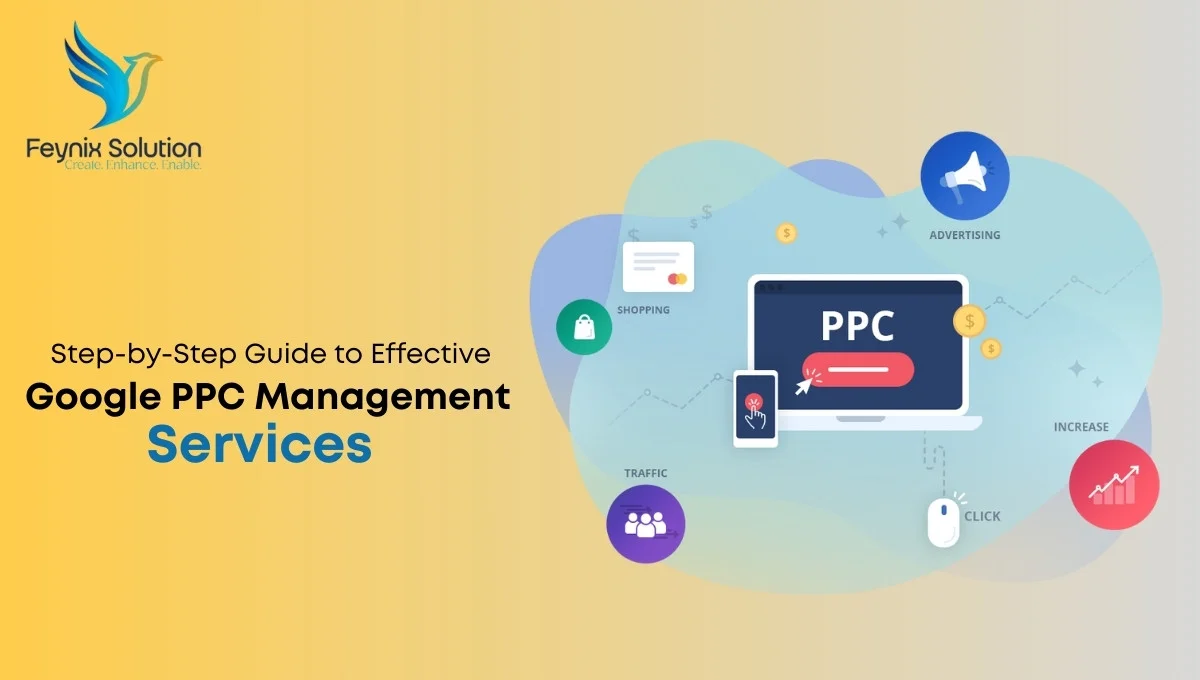
In today’s competitive digital landscape, running successful online campaigns requires more than just setting up ads. Businesses across the United States are increasingly relying on Google PPC Management Services, often with the guidance of a top local SEO company, to drive targeted traffic, generate leads, and maximize return on investment (ROI). Pay-per-click advertising can be a powerful tool, but without a strategic approach, it can quickly drain your marketing budget. This guide will walk you through a step-by-step process for running effective Google PPC campaigns, helping businesses optimize their results and achieve measurable growth.
Understanding Google PPC Management Services
Before diving into the process, it’s essential to understand what Google PPC Management Services entail. These services involve professional management of your pay-per-click campaigns on Google Ads, focusing on areas such as keyword research, ad creation, bid management, performance tracking, and conversion optimization. Proper management ensures that every dollar spent is invested efficiently, targeting the right audience with the right message.
Benefits of professional Google PPC management services include:
- Targeting potential customers with precision
- Increasing visibility on search engines
- Optimizing ad spend for maximum ROI
- Tracking and analyzing campaign performance for continuous improvement
For businesses aiming to compete in today’s digital space, investing in professional PPC management is no longer optional—it’s a necessity.
Step 1: Define Your Campaign Goals
The foundation of any successful PPC campaign is a clear set of goals. Are you looking to increase sales, generate leads, boost website traffic, or promote a new product? Defining your objectives will determine your campaign structure, ad messaging, and key performance indicators (KPIs).
Tips for setting effective PPC goals:
- Be specific: Instead of “increase traffic,” aim for “increase monthly website traffic by 25% in three months.”
- Focus on measurable outcomes: Trackable metrics help assess campaign success.
- Align with business objectives: Ensure PPC goals support your broader marketing strategy.
By establishing clear goals, you can measure performance accurately and make data-driven decisions throughout the campaign.
Step 2: Conduct Comprehensive Keyword Research
Keywords are the backbone of Google PPC campaigns. Identifying the right keywords ensures your ads appear in front of users actively searching for products or services like yours.
Keyword research tips include:
- Use a mix of broad, phrase, and exact match keywords to capture various search intents.
- Focus on long-tail keywords to target high-intent searches and reduce competition.
- Analyze competitor keywords to identify gaps and opportunities.
- Consider negative keywords to avoid irrelevant traffic and wasted spending.
Proper keyword research increases the likelihood of reaching the right audience while maximizing campaign efficiency.
Step 3: Craft Compelling Ad Copy
Once you have your keywords, the next step is to create ads that resonate with your audience. Compelling ad copy, combined with effective Web Development and Consulting, can improve click-through rates (CTR) and ultimately drive more conversions.
Key elements of effective PPC ad copy:
- Strong headline: Capture attention and include the primary keyword.
- Clear call-to-action (CTA): Encourage users to take the next step, such as “Buy Now” or “Get a Free Quote.”
- Highlight unique selling points: Explain why your product or service is better than competitors.
- Include ad extensions: Sitelinks, call buttons, and location extensions enhance visibility and engagement.
High-quality ad copy, combined with relevant keywords, ensures your campaigns attract clicks from potential customers.
Step 4: Set Up Conversion Tracking
Tracking conversions is critical to understanding the effectiveness of your PPC campaigns. Conversion tracking allows you to measure actions that matter most to your business, such as form submissions, purchases, or phone calls.
Benefits of conversion tracking:
- Identify high-performing ads and keywords
- Calculate return on ad spend (ROAS)
- Make data-driven optimization decisions
- Allocate budget to campaigns that generate results
By monitoring conversions, businesses can continually refine their campaigns to maximize performance.
Step 5: Optimize Bidding Strategies
Bidding effectively is key to ensuring your ads appear in competitive search results without overspending. Professional Google PPC Management Services help businesses implement the right bidding strategies for maximum results. By combining these efforts with Organic Search Engine Optimization Services, companies can strengthen both paid and organic visibility. Google Ads offers several options, including manual CPC, enhanced CPC, target CPA, and maximize conversions, allowing campaigns to optimize spending while improving visibility and ROI.
Tips for optimizing bids:
- Start with automated bidding strategies if you are new to PPC management.
- Adjust bids based on device, location, and audience demographics.
- Monitor ad position and performance regularly to avoid overspending.
A well-planned bidding strategy helps you achieve optimal ad placement and return on investment.
Step 6: Monitor and Adjust Campaign Performance
Effective Google PPC management is an ongoing process. Regular monitoring allows you to identify trends, detect underperforming ads, and make necessary adjustments.
Key areas to monitor:
- Click-through rates (CTR) to evaluate ad engagement
- Conversion rates to measure campaign effectiveness
- Cost per conversion to optimize ad spend
- Keyword performance to refine targeting
Continuous optimization ensures campaigns remain competitive and deliver the best possible results over time.
Step 7: Leverage Audience Targeting
Advanced audience targeting is a powerful tool for improving campaign performance. Google Ads allows businesses to target users based on demographics, interests, location, and search behavior.
Audience targeting strategies include:
- Retargeting previous website visitors
- Using in-market audiences to find high-intent users
- Targeting geographic locations for local campaigns
- Customizing ad messaging for specific audience segments
Proper audience targeting ensures your ads reach users most likely to convert, increasing efficiency and ROI.
Step 8: Utilize Analytics for Continuous Improvement
Analytics is the backbone of any effective PPC campaign. By analyzing performance data, businesses can make informed decisions to refine campaigns, reduce wasted spend, and maximize results.
Key analytics insights to track:
- Top-performing keywords and ads
- Devices and locations driving conversions
- Campaigns with high cost per conversion
- Trends in search queries for ongoing optimization
Regular analysis and adjustment help businesses stay ahead of competitors and achieve sustainable growth through PPC advertising.
Step 9: Partner with a Trusted PPC Provider
For businesses looking to maximize their Google PPC campaigns, partnering with a professional provider can be a game-changer. A skilled team brings experience, tools, and strategies that ensure campaigns are optimized for performance and ROI. For example, companies like Feynix Solution specialize in comprehensive Google PPC management services, helping businesses implement effective strategies without the trial-and-error process. They provide expertise in keyword research, ad creation, conversion tracking, and campaign optimization.
Our Client Says
1. Emma R., New York, NY
I used Google PPC Management Services and saw a significant increase in qualified leads. The campaigns are targeted, effective, and easy to manage.
2. Jason M., Los Angeles, CA
Partnering with professionals for Google PPC Management Services completely transformed our online advertising. Our ROI improved noticeably in just a few months.
3. Olivia K., Chicago, IL
The step-by-step guidance provided through Google PPC Management Services made it easy to optimize our campaigns. We saw better clicks and conversions almost immediately.
4. Michael S., Houston, TX
Using Google PPC Management Services helped our small business compete with larger competitors. Ads are now reaching the right audience, and results are measurable.
5. Sarah P., Miami, FL
I highly recommend Google PPC Management Services. The strategies are data-driven, and the continuous optimization ensures every ad dollar counts.
People Also Asked
1. How do Google PPC management services improve online ad performance for small businesses?
Professional Google PPC Management Services help small businesses target the right audience, optimize ad spend, and increase click-through rates, resulting in higher leads and conversions.
2. What is the step-by-step process for effective Google PPC Management Services?
A comprehensive Google PPC Management Services plan includes keyword research, ad creation, conversion tracking, bidding optimization, and continuous monitoring for maximum ROI.
3. Can Google PPC Management Services help reduce wasted ad spend on irrelevant clicks?
Yes, by using advanced targeting, negative keywords, and bid optimization, Google PPC Management Services ensure your ads reach high-intent users and minimize unnecessary costs.
4. How do long-tail keywords improve results in Google PPC Management Services campaigns?
Long-tail keywords allow campaigns to target specific search queries, attracting highly qualified leads and improving cost-efficiency while enhancing overall ad performance.
5. Are Google PPC Management Services suitable for local businesses targeting specific geographic areas?
Absolutely. Professional management can create location-specific campaigns, ensuring your ads appear to potential customers in targeted cities, regions, or neighborhoods.
Conclusion
Mastering Google PPC Management Services requires a structured, strategic approach. From defining goals and conducting thorough keyword research to crafting compelling ad copy, tracking conversions, and optimizing campaigns, each step plays a vital role in achieving results. Businesses that follow this step-by-step guide, while leveraging professional SEO and PPC services, can improve ad performance, maximize ROI, and drive measurable growth in the digital marketplace. By combining expert guidance with effective campaign management, organizations in the United States can transform their online advertising efforts and gain a competitive edge.
About the Author
The Feynix Solution Team is a group of experienced digital marketing professionals specializing in Google PPC Management Services. They focus on creating and managing high-performing pay-per-click campaigns, optimizing ad spend, and driving targeted traffic that converts. By combining technical expertise with marketing strategy, the team helps businesses increase visibility, generate quality leads, and achieve measurable ROI through effective Google PPC campaigns.